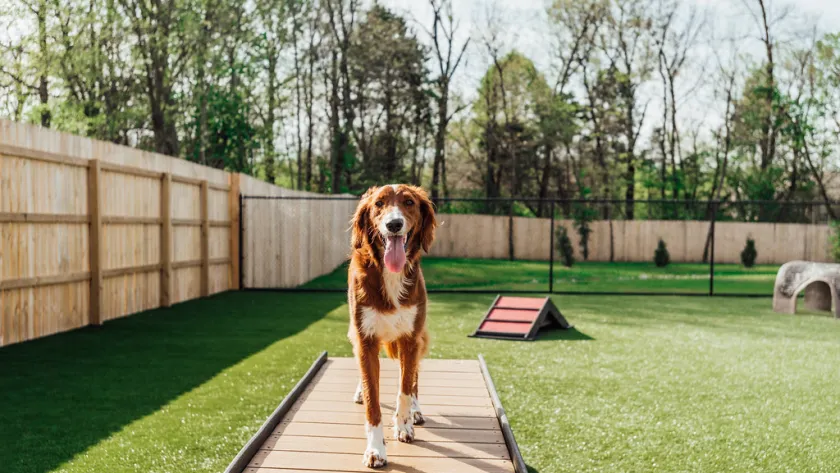


Minnesota Dog Turf Decision Guide
Synthetic grass for dogs can solve a lot of Minnesota yard problems. Snow, ice, spring mud, and worn-out patches around the patio can turn simple potty breaks into a mess. A well-designed pet turf system gives your dog a clean, steady place to play while you enjoy a yard that looks green for more of the year.
But not all dog turf is the same. Different products and installation methods can lead to very different results. To keep your project on track, it helps to ask clear questions before anyone starts digging. In this guide, we share 10 smart questions to ask so you can compare options and feel confident before you install.
Know Your Dogs and How They Play
Start with your pets, not the product. Your dog’s size, age, and habits will shape the turf system that makes sense in your yard.
Ask yourself and your installer things such as:
- How many dogs will be using the space each day?
- Are they tiny, medium, or large breeds?
- Do you have puppies, adults, seniors, or a mix?
Active dogs that sprint and wrestle need turf that can stand up to hard play. Gentle wanderers or small dogs may not stress the surface as much, but they still need comfort and traction.
Think about behavior too:
- Do your dogs love “zoomies” in certain corners?
- Are they diggers that attack soft spots?
- Do anxious dogs pace along the fence line?
Senior dogs may need better joint support and a surface that is easier to grip. Puppies that are still learning where to go may use one area again and again. Sharing these details with a turf professional helps build a system that fits your real life, not just a nice photo.
Compare Turf Construction, Pile Height, and Backing
Pet-specific synthetic grass for dogs is not the same as basic landscape turf. The difference often shows up in how it feels under paw, how it looks, and how long it holds up.
Key things to ask about turf itself:
- Fiber shape and density: how tightly the blades are packed
- Pile height: how tall the blades are
- How well the fibers spring back after heavy play
Shorter, denser turf can handle tough traffic, while slightly taller blades may look more like a natural lawn in the front yard. You want a balance of softness and strength so your dog gets comfort without you getting early wear patterns.
Backing quality also matters. Ask how the backing is built, how it stands up to pet nails, and how it handles Minnesota temperature swings from hot summer days to cold winter nights. A strong backing supports the fibers, helps resist matting, and keeps the surface feeling steady over time.
Base Depth, Stability, Safety, and Infill Questions
What happens under the turf matters just as much as what you see on top. Base depth and compaction affect how the surface feels when your dog is running, turning, and stopping.
Ask your installer:
- What base depth do you recommend for my yard?
- How does that change for a simple backyard lawn versus a busy dog run?
- How will you compact and level the base for steady footing?
A basic home lawn for one small dog may not need the same base design as a commercial pet area with constant traffic. High-traffic spaces often call for a deeper, more carefully compacted base to keep the surface consistent.
Stability connects directly to safety. A smooth, even surface helps your dog plant their paws without sudden dips or soft spots. This can help reduce slips and joint strain, which is especially important around icy days or when snow has recently melted.
You will also want to talk about infill. Some turf systems are designed for use with infill, which can add cushioning and support the blades. Ask which infill options are suggested for pet areas, how they affect surface temperature in summer, and how they feel on paws. Make sure your installer explains how infill fits with their turf choice and how they plan to keep the surface comfortable and clean over time.
Cleanup, Odor Control, Warranties, and Rules
Synthetic grass for dogs should make cleanup easier, not harder. Before you install, ask clear questions about day-to-day care.
For example:
- How should I handle solid waste on the turf?
- What simple cleaning steps should I do each week?
- How often is a deeper cleaning recommended?
Odor and hygiene are two of the biggest worries for pet owners. Ask which cleaning products are safe around the turf system and your dogs. Some systems pair best with specific cleaners, so it is helpful to understand what is recommended and how often to use it.
Maintenance with synthetic turf is different from mowing and watering natural grass. Instead, you may be brushing fibers to keep them upright, checking edges, and following a simple seasonal routine. Ask what ongoing support or guidance your installer offers to help you keep the turf looking and feeling good over the long term.
This is also the time to review warranties and rules:
- How long is the product warranty?
- What does it cover: materials, workmanship, or both?
- Are there care steps that would void the warranty if skipped?
Ask about the installer’s training and experience with pet-focused projects in Minnesota. You want a team that understands local soil conditions and four-season use.
If you live in an area with an HOA or specific city rules, check those before work begins. Some groups have guidelines about synthetic turf, especially in front yards, or about colors and appearance. Ask your installer what kind of documentation or product details they can share to help you with those approvals.
Plan Budget, Timeline, and Four-Season Use
To finish your Minnesota dog turf decision, think about how the project fits your budget, schedule, and year-round life with your pets.
Helpful questions include:
- What factors affect the total project cost for my yard?
- Are there financing options that can spread payments out?
- How can we balance performance needs for active dogs with my budget?
Scheduling matters in our climate. Ask about ideal installation windows for your property and how long your project might take from first visit to final walkthrough. Knowing the expected timeline makes it easier to plan around pets, kids, and other yard work.
Finally, picture how your dogs will use the space through all four seasons. In winter, do they need a clear spot for quick potty breaks? In spring, do you want to avoid muddy paws in the house? In summer, do the dogs need a cooler, comfortable area to rest after play? A turf system that is planned with all of that in mind will serve your family better and feel like a smart upgrade instead of a quick fix.
When you bring your answers and questions to a professional installer, they can turn that input into a tailored turf plan that matches turf type, base design, and maintenance to your home. At ForeverLawn Minnesota, we help homeowners across the state create pet areas that work with Minnesota seasons and with the real dogs who live on them.
Transform Your Yard Into a Cleaner, Safer Dog-Friendly Space Today
If you are ready for a yard that stands up to digging, mud, and heavy play, our synthetic grass for dogs is designed to handle it all. At ForeverLawn Minnesota, we install turf systems that drain quickly, help control odors, and stay comfortable for your pets in every season. Tell us about your space and goals, and we will recommend a solution tailored to your dogs and your property. Have questions or want to schedule a consultation? Just contact us and we will walk you through the next steps.