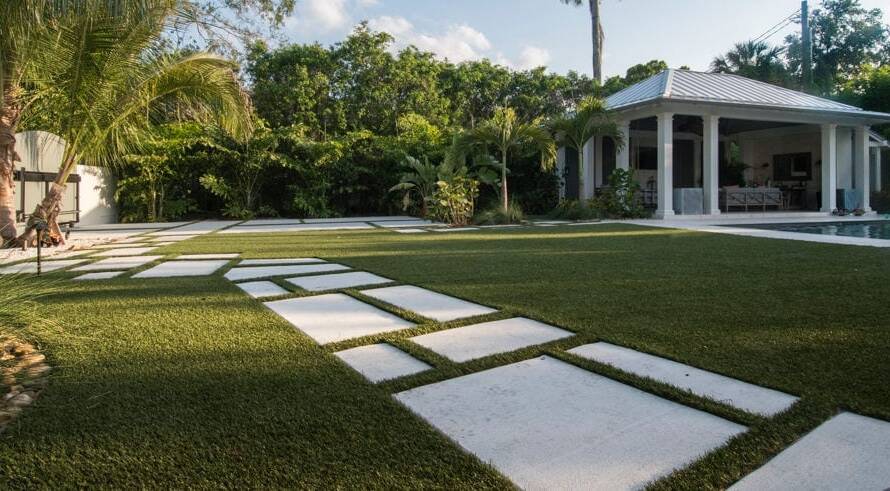


Homeowners in Minnesota work hard to keep their yards neat, even with long winters, snow piles, soggy springs, and busy pets. Many HOAs want lawns to look consistent from house to house, while dog owners simply want a clean, mud-free space that can handle zoomies, paw traffic, snow shoveling, and thaw cycles. That can feel like a tough balance.
This approval kit is meant to make the process easier. We will share board-ready wording you can copy, simple layout ideas for dog runs and fences, and calm answers for common neighbor worries. With the right synthetic grass for dogs and a clear plan, you can respect HOA rules and still give your dog a space that works all year.
We design synthetic turf systems for Minnesota homes so they blend with natural lawns and fit local conditions. When your project looks thought out, your HOA has something solid to say yes to.
What Minnesota HOAs Want to See in Turf Requests
Most Minnesota HOAs focus on a few big goals when they review any yard change:
- Strong curb appeal from the street
- A uniform look across the neighborhood
- Safe, practical spaces for kids, pets, and guests
- Long-term care that keeps the property looking good after winters and spring thaw
When synthetic grass comes up, boards often have some common worries:
- Will the turf look shiny or “fake” compared to real grass?
- Will it clash with nearby natural lawns in color or height?
- Will it trap pet odors or stay dirty?
- Will heavy use in a dog run cause worn spots or seams showing?
- Will it change the overall feel of the community?
Premium systems made for pets can answer these points directly. Professionally installed synthetic grass for dogs is designed for:
- Realistic color and texture that fits with Midwest lawns
- Defined edges around beds, sidewalks, and fences
- A stable, even surface that handles regular pet activity
- Clean lines that help keep property values and curb appeal strong
When you show your HOA that you understand their goals, and that the turf system supports those goals, your request feels less risky to approve.
Sample Board-Ready Language You Can Copy and Customize
Here is a short template you can adjust for your own HOA form:
“I am requesting approval to install a premium synthetic turf system designed specifically for dogs in the [backyard, side-yard, fenced dog area] of my property. The turf will feature a natural green color, realistic texture, and a pile height similar to a well-kept lawn. It will be professionally installed by a Minnesota turf specialist with defined borders, integrated with existing landscape features, and finished to align with current community standards.”
To reassure your board about consistent appearance, you can add phrases like:
- “The turf color is a natural green tone that complements neighboring lawns.”
- “All edges will be finished with clean borders that align with existing planting beds and hardscape.”
- “Existing trees, shrubs, and landscape rock will remain in place to maintain the current yard design.”
- “The installation will follow HOA guidelines for sight lines and front-yard appearance.”
It also helps to address care and long-term upkeep:
- “The turf system is designed for regular cleaning and pet use.”
- “It will be maintained to keep a neat, upright appearance through snow, thaw, and summer heat.”
- “We will follow the care instructions provided by the installer to keep the area clean, safe, and consistent with HOA standards over many years.”
You can drop these lines straight into your form, then tweak them to match your exact layout.
Simple Fence and Dog Run Diagrams Your HOA Will Love
Most boards are not turf experts, but they understand simple layouts. A clear diagram does not have to be fancy. A labeled sketch with a few notes often goes a long way.
For a common side-yard or backyard dog run, describe something like this:
- House wall on one side
- Fence line on the other side
- Gate marked near the front or back
- Turf area clearly shaded or labeled inside the fenced zone
- Set distances from property lines and any shared paths
For example, your notes might say: “Turf dog run inside existing 4-foot fence, starting 5 feet from rear property line and stopping 8 feet from the front corner of the house. Access gate located closest to the house for easy entry.”
If the turf area will be visible from the street, offer options that keep the look cohesive:
- Low decorative fencing or edging that matches the rest of the neighborhood
- Shrubs or perennial beds in front of the turf area
- Landscape stones or mulch borders that tie into your current yard style
Safety and access details also help your case. Boards like to see:
- Fence height that meets HOA and city guidelines
- Gate locations marked for emergency access
- Clear separation from shared sidewalks and play areas
- A single, defined pet space instead of scattered worn spots across the yard
These details show that your project is planned, not pieced together on the fly.
Neighbor Questions and Concerns Answered Before They Ask
Winning over your neighbors can make HOA approval smoother. It helps to be ready with quick, calm answers to the things they worry about most.
On look and feel from the sidewalk, you can share points like:
- “The turf has a natural green color and soft texture.”
- “It will look tidy in every season, even when the real grass nearby is dormant.”
- “Edges are clean, so it blends in with the rest of the landscaping.”
For pets, smells, and cleanliness, you might say:
- “This type of synthetic grass for dogs is designed with regular cleaning in mind.”
- “It keeps the dog area from turning to mud, so there is less dirt and mess near shared spaces.”
- “We will follow a regular cleaning routine to keep the area fresh.”
For noise, use, and resale value:
- “Having a clear dog run helps keep most play and bathroom breaks in one spot, which protects the rest of the yard.”
- “A set pet area can actually reduce random digging and wear in shared sight lines.”
- “Many future buyers appreciate a low-maintenance, dog-ready yard, especially in our climate.”
When you stay positive and factual, most neighbors are open to the idea, especially if they also deal with muddy paws and damaged grass.
Submit with Confidence and Partner with Local Turf Pros
Once you have your wording and layout, it is time to send a complete, simple package to your HOA. A clean submission often includes:
- Completed HOA modification request form
- Your short project description using the sample language above
- A product spec sheet for the synthetic grass for dogs you plan to use
- A simple fence and dog run diagram with labels
- A brief note on how you will keep the area clean and well cared for
Working with a team that knows Minnesota’s climate and HOA expectations can make the process smoother. Local experience with freeze and thaw cycles, snow, and busy pet use helps shape turf systems that look natural next to traditional lawns and meet community standards.
At ForeverLawn Minnesota, we focus on designing and installing premium synthetic turf systems that respect both homeowners and HOAs. With the right planning and clear communication, your dog can enjoy a clean, durable yard, and your neighborhood can keep the polished, consistent look that everyone values.
Get Started With Your Project Today
Transform your yard into a clean, safe play space for your dog with our premium synthetic grass for dogs. At ForeverLawn Minnesota, we design and install solutions that handle heavy use, are easy to clean, and look great year-round. If you are ready to explore options for your property or have questions about your specific space, reach out and let us walk you through the next steps. You can also contact us to schedule a consultation.