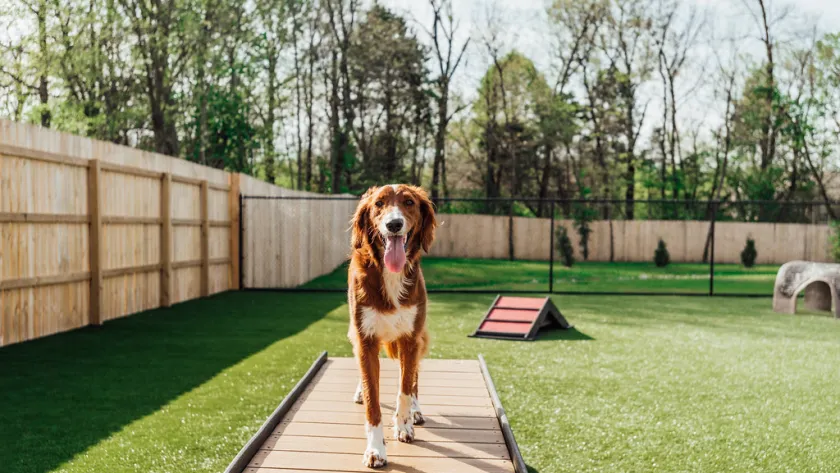


Design a Pet Paradise That Works Year-Round
A good pet yard should stay green, clean, and safe no matter how much your dog runs, digs, or rolls around. With pet-friendly synthetic grass, you can have a fun play zone that does not turn into a mud pit in spring or a dust bowl in late summer. That matters even more in Minnesota, where weather can swing from soggy to frozen and back again.
In this article, we will walk through how to plan a smart pet play area that works with your space and your dogs. We will talk about smart base construction, traffic flow, shade, edging, winter paw comfort, and easy cleanup. At ForeverLawn Minnesota, we design and install K9Grass systems that are made for dogs, use a non-infill turf design, and are tailored to local yards, kennels, and pet-focused properties.
Start with a Solid Base Build for Active Paws
The base under your pet-friendly synthetic grass is what keeps the surface smooth and safe when the ground freezes, softens, and refreezes. If the base is weak, you can end up with low spots, ripples, or areas that feel uneven under your feet. For active dogs, that can mean tripping, puddling, and worn-out spots where they love to run.
A strong pet zone base usually includes a few key steps:
- Careful removal of existing sod and organic material
- Grading the area so water moves away from buildings and walkways
- Installing and compacting layers of stone aggregate
- Adding a finer smoothing layer before the turf is installed
These layers work together so your turf holds up to daily running, cutting tight corners, and quick stops. At ForeverLawn Minnesota, we look at soil type, the natural slope of the yard, and how many dogs will use the space. That helps us plan a base that resists rutting, settling, and those “dog paths” that show up where paws pound the same line every day.
Plan Traffic Flow so Dogs and People Move Safely
Dogs are creatures of habit. They run to the same gate, the same door, and the same favorite toy spot. If we plan for those paths, the pet-friendly synthetic grass looks better for longer and stays safer for both pets and people.
We like to map the area and ask a few simple questions: Where will the dogs enter and exit? Where will humans step in and out? Where does play usually happen? Then we design around those patterns.
Helpful ideas to plan traffic flow include:
- Setting clear entry and exit points with gates or openings
- Creating wider “runways” for zoomies and group play
- Keeping tight corners and pinch points as smooth as possible
- Placing popular play features where turf can handle more wear
For people, it often makes sense to add hardscape paths, stepping pads, or a separate walkway. That way paws stay on the turf, while shoes have a solid, non-slip surface, even when there is snow or slush around. This keeps both dogs and humans safer and reduces wear in the most heavily used spots.
Use Shade and Surface Choices for Cool, Comfy Paws
Minnesota sunshine can feel amazing after a long winter, but it can also warm up outdoor surfaces during late spring and summer. Thoughtful shade planning makes a big difference in how long your dogs can play comfortably during the day.
Good shade strategies can include:
- Planting or preserving trees that cast natural shade
- Adding a pergola or canopy over favorite lounging zones
- Using shade sails over small, focused play areas
- Positioning dog beds and water stations in cooler spots
Surface color and material choices also matter. Lighter surroundings, like pavers or rock borders, can help reflect some heat instead of holding onto it. K9Grass is designed with dogs in mind, with a non-infill construction and texture that feel good under paws in both sunny and cooler conditions. Combined with shade and airflow, this creates a play area that stays more comfortable for longer play sessions.
Choose Smart Edging and Cleanup Stations for Daily Use
Edging is not just about looks. It helps hold the turf in place, protects the base, and creates a clean line between your pet zone and the rest of your yard. Good edging also keeps curious diggers from trying to get under the turf.
Common edging choices for pet-friendly spaces include:
- Concrete curbing for a smooth, permanent border
- Pavers that match existing patios or walkways
- Composite or plastic borders that are low profile
- Mow strips that separate turf from natural grass
These edges can also keep turf away from mulch beds and gardens, which means less mess dragged into the play area and fewer temptations for dogs that like to dig. Along with edging, cleanup stations make daily life much easier. We like to plan for:
- Waste bag dispensers close to entry points
- Covered trash bins placed a short walk away from play
- A hose bib or spigot nearby for quick rinsing
- A small, defined area for light spot cleaning
With the right layout, picking up after your dog and keeping the turf fresh becomes a fast part of your routine, not a big chore.
Make Your Pet-Friendly Turf Zone Winter Ready
Winter does not have to shut down outdoor fun. A well-built pet-friendly synthetic grass area can stay usable longer in late fall and open up earlier in spring. You get fewer muddy shoulder-season weeks, and dogs get a consistent place to stretch their legs.
To keep paws safe and comfortable in cold weather, we suggest a few habits:
- Use pet-safe de-icers on nearby hard surfaces
- Avoid harsh chemicals that could reach the turf or irritate paws
- Clear light snow promptly from main play paths and entry points
- Knock down packed snow where dogs run the most so it does not turn icy
K9Grass handles freeze and thaw, heavy boots, and busy paws when installed over a properly built base. At ForeverLawn Minnesota, we talk with property owners about snow removal tools and methods that are gentle on the turf, while still giving dogs a good place to play year-round.
Bring Your Minnesota Pet Oasis to Life
A well-planned pet-friendly synthetic grass zone turns your outdoor area into a cleaner, easier space for fetch, training, and quiet lounging. No more chasing muddy paw prints across the kitchen or watching your yard turn into a worn patchwork of dirt and thin grass. Instead, you get a surface made for dogs that holds up in real Minnesota weather.
The key pieces come together like this: a sturdy base build that stands up to freeze and thaw, traffic flow that fits how your dogs and family move, smart shade ideas for cool paws, strong edging that keeps everything tidy, and thoughtful cleanup stations that support quick daily care. With those pillars in place, ForeverLawn Minnesota can use K9Grass and its non-infill turf design to create a custom pet area that fits your space, your dogs, and your lifestyle.
Get Started With Your Project Today
Transform your yard into a safer, cleaner play space for your dog with our specialized pet-friendly synthetic grass. At ForeverLawn Minnesota, we design and install solutions that stand up to heavy use while staying comfortable and low maintenance. Tell us about your space and goals, and we will recommend the right products and installation plan. Have questions or ready for a quote? Simply contact us to get started.
Frequently Asked Questions
What is pet-friendly synthetic grass, and is it safe for dogs?
Pet-friendly synthetic grass is artificial turf designed to stay clean, durable, and comfortable under regular pet use. When properly installed with a stable base and good drainage, it provides a smooth surface that helps reduce muddy paws and slippery spots.
How does synthetic grass hold up in Minnesota weather with freezing and thawing?
A well-built base helps the turf stay even through freeze and thaw cycles by reducing settling, ripples, and low spots. Proper grading and drainage move water away so the surface is less likely to puddle or become uneven when temperatures swing.
What is the difference between K9Grass and regular artificial turf for pets?
K9Grass is made specifically for dogs and uses a non-infill design, which can simplify cleanup and reduce loose material tracking. Regular artificial turf often uses infill and may not be engineered for concentrated pet traffic and frequent sanitizing.
How do I plan a synthetic grass dog run or play zone to prevent worn-out paths?
Start by mapping where dogs enter, exit, and naturally run, then build wider runways and smooth corners to match those patterns. Adding a separate walkway for people can reduce concentrated wear and help keep footing safer in snow or slush.
How can I keep synthetic grass cooler for my dog in summer?
Add shade with trees, a pergola, a canopy, or shade sails, and place water and rest areas in cooler spots. Lighter surrounding materials like pavers or rock borders can also help reduce heat buildup around the play area.